Overzicht
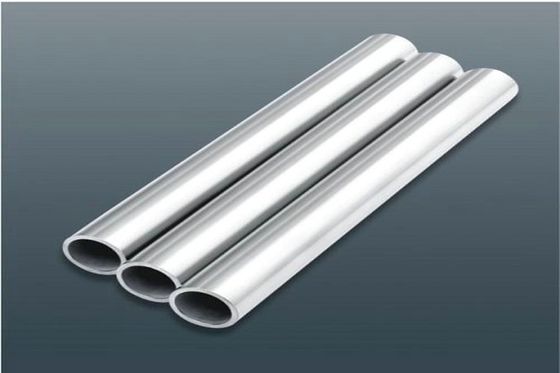
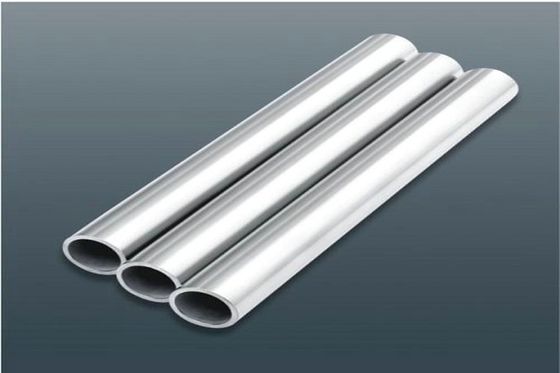
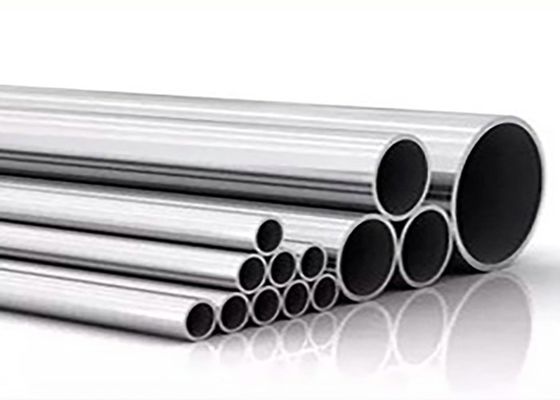
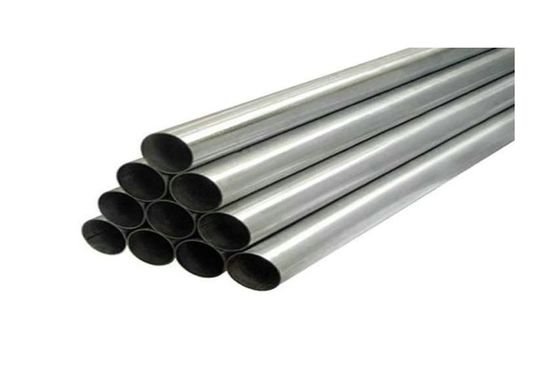
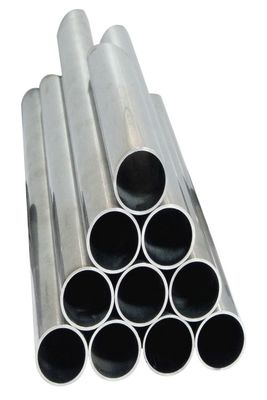
TOBO Nikkel Legering Pijpen vertegenwoordigen de ultieme keuze voor industriële operaties die te maken hebben met extreme temperaturen en corrosieve omgevingen. Ontworpen om te voldoen aan strenge ASME-vereisten, zijn deze pijpen vervaardigd uit geavanceerde nikkel-gebaseerde superlegeringen die bekend staan om hun duurzaamheid en stabiliteit onder belasting. Ze bieden uitzonderlijke bescherming tegen oxidatie, carburisatie en door chloriden veroorzaakte spanningscorrosie, waardoor de structurele integriteit behouden blijft onder omstandigheden waar conventionele materialen falen. Bijgevolg dienen ze als onmisbare componenten voor het waarborgen van operationele veiligheid, het minimaliseren van stilstand en het beschermen van kapitaalgoederen in kritieke sectoren zoals energieopwekking, chemische verwerking en lucht- en ruimtevaarttechniek.
1. Productbeschrijving
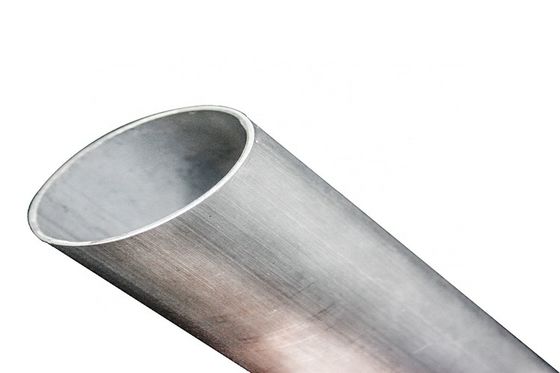
Dit productassortiment omvat eersteklas buizen vervaardigd uit legeringen met nikkel als hoofdbestanddeel. Representatieve kwaliteiten zijn Alloy 625, bekend om zijn uitstekende vermoeiingssterkte; Alloy 800H/HT, gewaardeerd om zijn kruipweerstand bij hoge temperaturen; en Alloy C-276, erkend voor brede chemische compatibiliteit. TOBO biedt deze producten aan in zowel naadloze als gelaste configuraties, waarbij elke pijp wordt onderworpen aan nauwkeurige behandeling – inclusief oplossingsgloeien en afschrikken – om een uniforme austenitische microstructuur te bereiken die consistente en betrouwbare prestaties gedurende de gehele levensduur garandeert.
2. Belangrijkste Specificaties
Materiaalspecificatie: Vervaardigd volgens ASME SB-163 (Naadloze Nikkel-Chroom-IJzer Legering Pijp) en SB-704/705 (Gelaste Legering 625 & 825 Pijp).
Primaire Legeringskwaliteiten: UNS N08810/N08811 (800H/HT), N06625, N10276, N06025 (Legering 230).
Dimensionale Normen: Voldoen aan ASME B36.10M en B36.19M voor naadloze systeemintegratie.
Afmeting & Wanddikte: Uitgebreide voorraad variërend van NPS 1/8" tot 36", beschikbaar in zowel standaard als aangepaste schema's om te voldoen aan diverse ontwerpdrukvereisten.
Operationele Limieten: Geschikt voor gebruik variërend van cryogene omstandigheden tot 1200°C (2192°F), met precieze beperkingen afhankelijk van de legeringskeuze.
3. Toepassing
Deze pijpen zijn bestemd voor missiekritieke toepassingen in diverse geavanceerde industrieën:
Syngas & Petrochemische Installaties: Gebruikt in vergassers, reformerovens en transportleidingen voor het verwerken van waterstof en koolmonoxide bij hoge temperatuur en hoge druk.
Thermische Verwerking & Warmtebehandeling: Gebruikt voor stralingsbuizen, muffels en retorten in industriële ovens die weerstand vereisen tegen thermische cycli en carburiserende atmosferen.
Geavanceerde Energiesystemen: Geïntegreerd in geconcentreerde zonne-energie (CSP) installaties, brandstofcellen en kernreactoren van de volgende generatie.
Lucht- en Ruimtevaart & Defensie: In gebruik in hydraulische en brandstofleidingen, motoruitlaatassemblages en structurele elementen in omgevingen met hoge spanning.
Speciale Chemische Productie: Toegepast in reactoren en leidingsystemen voor de synthese van agressieve tussenproducten, farmaceutica en fijne chemicaliën.
4. Belangrijkste Voordelen
Uitzonderlijke Prestaties bij Hoge Temperaturen: Behoudt superieure trek- en kruipbreuksterkte, weerstaat vervorming en microstructuurafbraak onder aanhoudende thermische blootstelling.
Uitstekende Omgevingsbestendigheid: Toont bewezen veerkracht tegen diverse corrosieve media, waaronder zwavel-, fosfor- en zoutzuur, evenals chloorverbindingen.
Lange Termijn Betrouwbaarheid & Stabiliteit: De stabiele austenitische matrix remt de vorming van schadelijke secundaire fasen, wat zorgt voor een verlengde levensduur met minimale eigenschapsdegradatie.
Ontwerpvrijheid: Stelt ingenieurs in staat om efficiëntere, compactere en hogere-temperatuur processen te ontwikkelen die voorheen beperkt werden door materiaallimieten.
Gecertificeerde Kwaliteitsborging: Elke partij vergezeld van volledige chemische en mechanische certificering, wat materiaaltraceerbaarheid garandeert voor kritieke projectdocumentatie.
5. Functie
De essentiële rol van TOBO Nikkel Legering Pijpen is het bieden van veilige opsluiting binnen processen die conventionele technische grenzen uitdagen. Ze zijn specifiek ontworpen om betrouwbaar zeer corrosieve of ultra-zuivere processtromen onder extreme temperaturen en drukken te transporteren, terwijl ze mechanische en thermische vermoeidheid weerstaan. Door deze functie met onwrikbare betrouwbaarheid te vervullen, vormen ze de basis van processen die verbeterde efficiëntie, verminderde emissies en de productie van geavanceerde materialen en energie realiseren.


 Uw bericht moet tussen de 20-3.000 tekens bevatten!
 Dutch
Dutch